2026 API Compliance: What You Need to Know
By Kesley Price
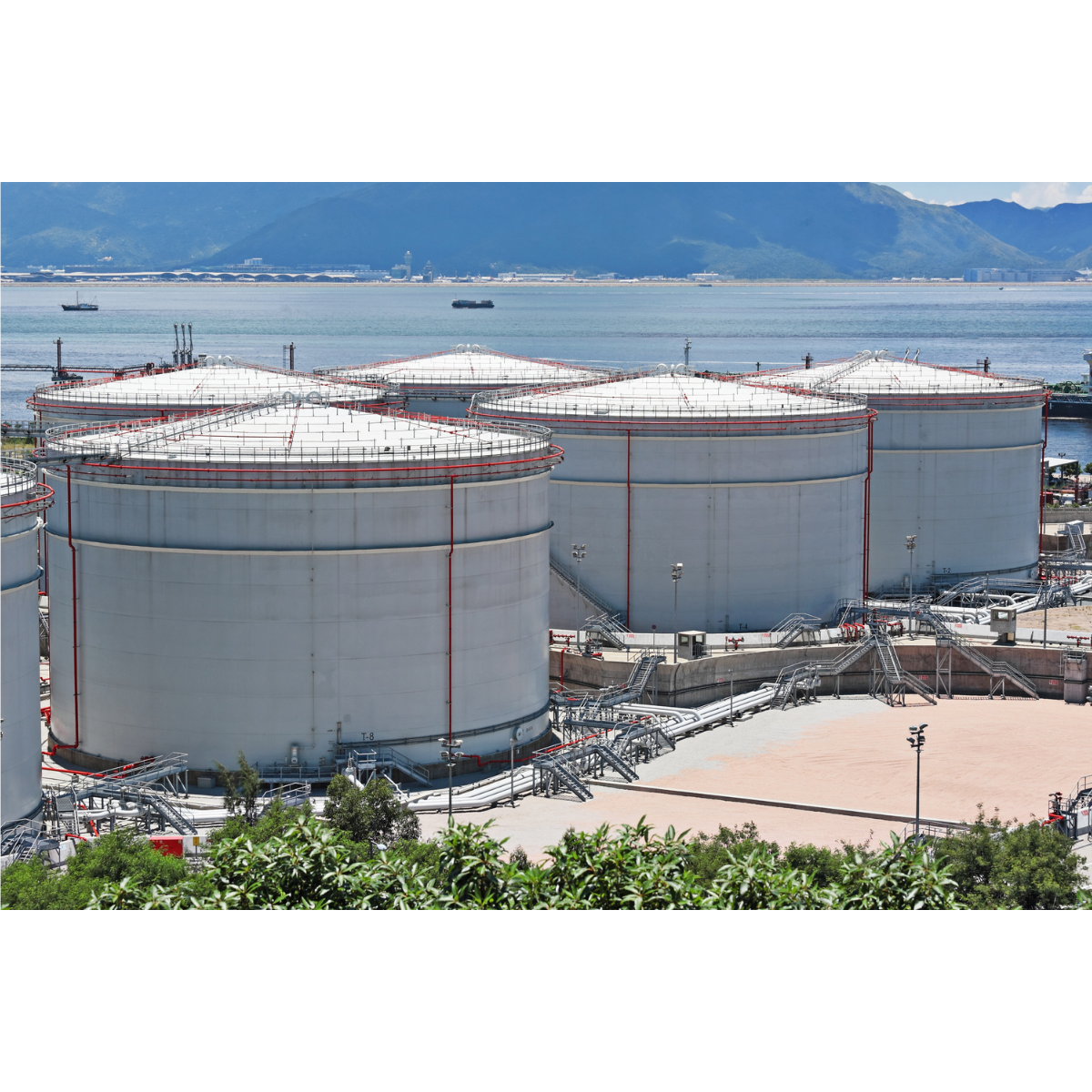
New rules. Tougher standards. Bigger consequences. If you’re responsible for tanks, pipelines, or pressure vessels, staying on top of API and federal regulatory changes isn’t optional, it’s essential.
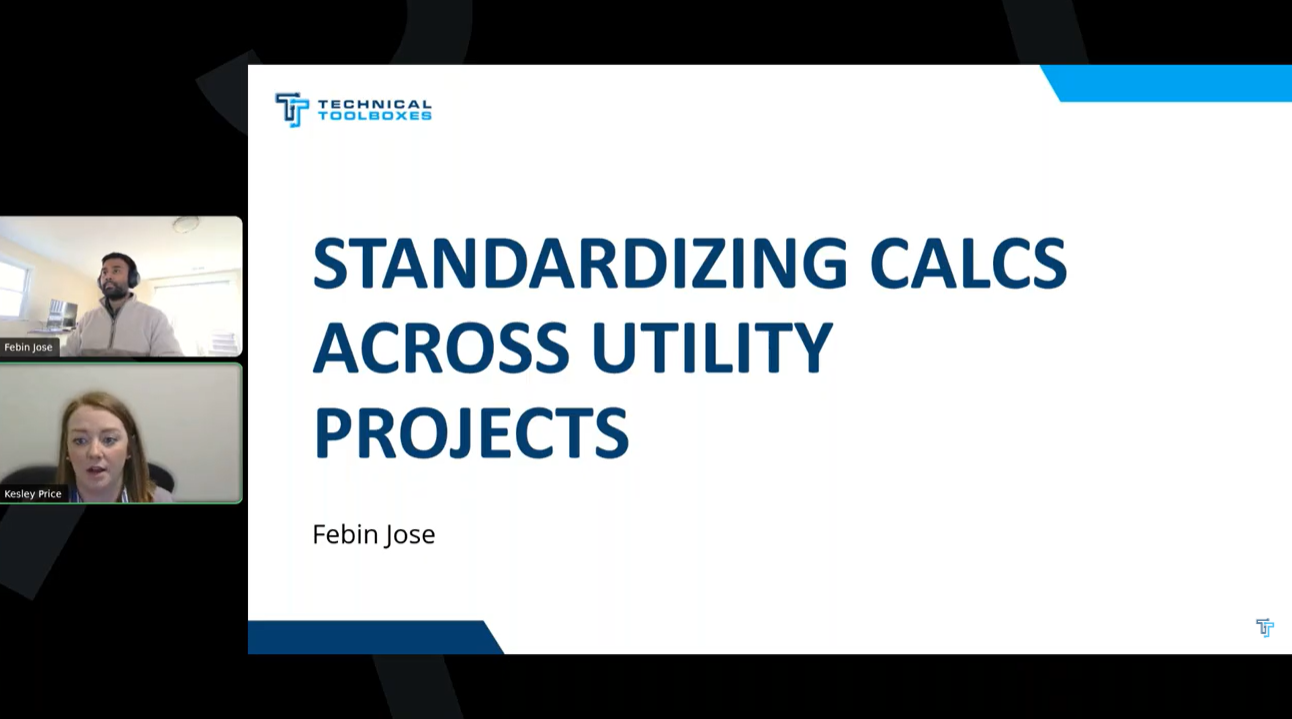
In a recent webinar hosted by Technical Toolboxes in partnership with Storage Terminals Magazine, industry leader Earl Crochet (The Tank Whisperer) broke down the changes that matter most for operators, inspectors, and service providers heading into 2026.
Here’s a recap of the top takeaways from the session.
Why 2026 Is a Turning Point
Federal and state agencies are tightening the reins. From PHMSA to EPA and state-specific laws (Texas, Oregon, California), new rules are taking aim at both environmental protection and asset integrity.
Key regulatory themes:
- New Facility Response Plans for hazardous substances under EPA Clean Water Act
- Expanded criteria for regulated tanks, over 12,000 facilities now affected
- Aging regulations like API 663 still waiting for updates (last revised over 17 years ago)
And it doesn’t stop at the federal level. States and local air districts (like California’s South Coast AQMD) are layering on stricter rules around emissions and leaks.
API Standard Changes You Can’t Ignore
Earl walked through key updates to API documents, including: 
API 653 – Aboveground Storage Tanks:
- Soon to be approved and published in 2026
- Add inspections of scaffold cable supports for deterioration or deformation and compare to API 650 as-built requirements
- Allows three different potential options when a robotic or other “on-stream” inspection finds bottom readings less than code but not leaking
- Not in the coming 6th edition but in the first Addendum will allow drones and/or robots to assist with monthly inspections
API 2350 – Overfill Protection:
- No changes coming until sometime in late 2030, at the earliest
Other Critical Standards:
- API 510, 570, 650, 620, 2510 (LPG), and 2000 (venting) have all seen changes
- Pressure relief, lightning protection, floating roofs, and linings all came under discussion
What It Means for You
Earl didn’t just list changes, he made it real. Here’s how it impacts your day-to-day:
- Compliance scope is expanding: One tank with hazardous material may now trigger facility-wide planning and reporting obligations
- Documentation standards are rising: PHMSA’s TVC requirement (Traceable, Verifiable, Complete) is no longer negotiable
- Audits are more aggressive: Inspectors are asking deeper questions, especially after high-profile spills and incidents
Next Steps for Your Team
If you’re not already reviewing your inspection and documentation workflows, start now. Earl’s advice? Don’t just chase compliance. Build your systems around it.
Technical Toolboxes offers several software tools built specifically for API standards and TVC-ready documentation:
- API Inspectors Toolbox for 510/570/653 compliance reporting
- Asset Management Database (AMDB) for centralized inspection asset management
- Hydrotest PowerTool to prepare for MAOP verification and MEGA Rule requirements
- Corrosion Suite to model and mitigate integrity risks across your pipeline lifecycle
Still Have Questions?
Email us at [email protected] and let’s keep the conversation going.
Your compliance plan for 2026 starts today. Don’t wait for the next rule to catch you off guard.

Suggested Post
You Asked for Better Field Data. We Found It. HUVR Acquisition
You Asked for Better Field Data. We Found It. If you haven't heard, HUVR is officially part of [...]

The Network Modeling Tool Gas Engineers Didn’t Know They Needed
The Network Modeling Tool Gas Engineers Didn’t Know They Needed By Kesley Price You’ve outgrown your spreadsheets, now [...]
The Trusted Tool Gas Engineers Didn’t Know They Were Missing
Do You Really Know What’s Flowing Through Your Pipes? The Trusted Tool Gas Engineers [...]