

By Joe Pikas
As the energy landscape continues to evolve, so do the challenges faced by pipeline operators, especially when it comes to alternating current (AC) interference.
Whether you’re working in corrosion engineering, integrity management, or regulatory compliance, AC interference isn’t a new concern, but its complexity is growing fast. With more pipelines being installed alongside high-voltage powerlines, induced AC current can pose real threats to pipeline integrity, safety, and regulatory compliance.
So, what exactly is AC interference, AC interference in buried pipelines, and why should you care?
What Is AC Interference?
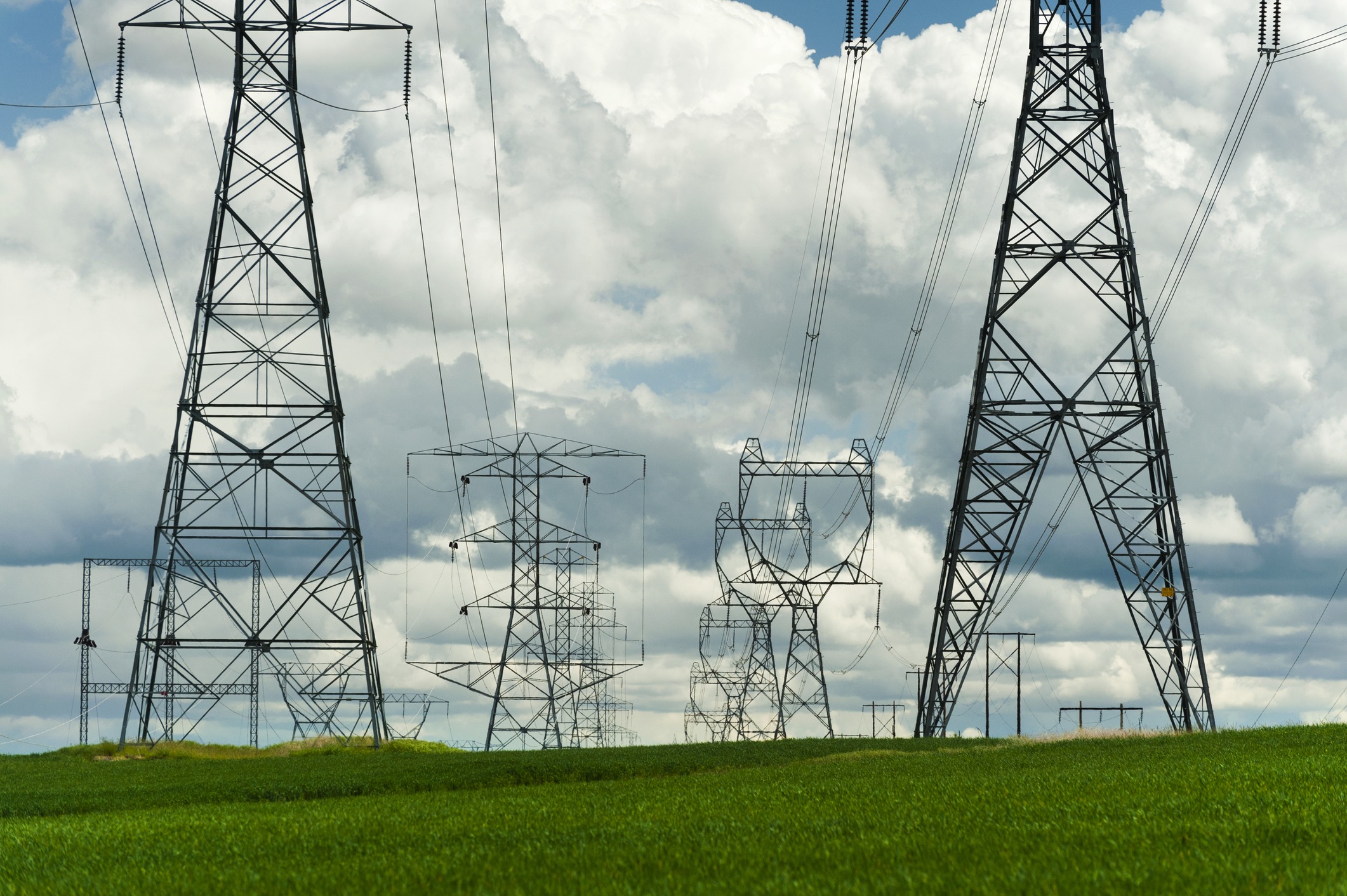
AC interference occurs when pipelines are installed near or parallel to high-voltage powerlines. These powerlines generate electromagnetic fields that can induce voltage and current on nearby metal structures like pipelines. Left unchecked, this can result in:
- Accelerated AC corrosion
- Dangerous step and touch voltages
- Excessive CP can enhance AC corrosion
- Risks to company personnel’s safety during routine maintenance
Learn more from AMPP and PHMSA’s official pipeline safety resources.
Why It’s Getting Worse
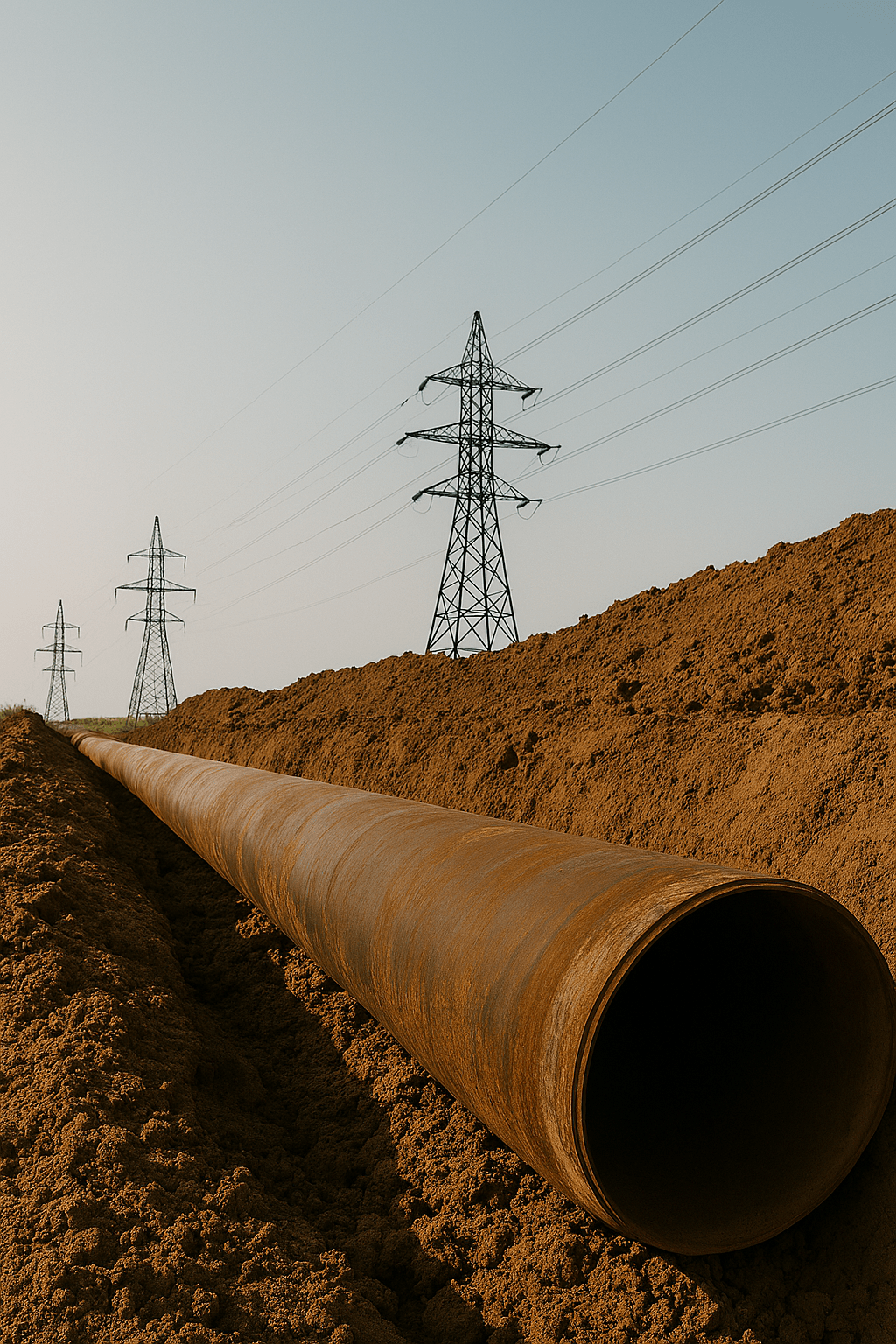
- Increased co-location of powerlines and pipelines
- Tightening regulations from PHMSA, NACE (SP21424), and IEEE
- Higher risk zones like High Consequence Areas (HCAs)
The industry is under growing pressure to not just detect AC interference but model, document, and mitigate it quickly and accurately.
Common Challenges Engineers Face
Modeling AC interference is no easy task. Pipeline Operators and Engineers often deal with:
- Time-consuming manual calculations
- Disconnected data and inconsistent formats
- Uncertainty in mitigation design effectiveness
- Reporting hurdles when it comes to compliance and AC Mitigation Standards
These challenges make it hard to confidently assess risk or communicate mitigation strategies to stakeholders.
Tools That Make a Difference
While there’s no one-size-fits-all fix, having the right tools in place can make the difference between reactive firefighting and proactive pipeline safety.
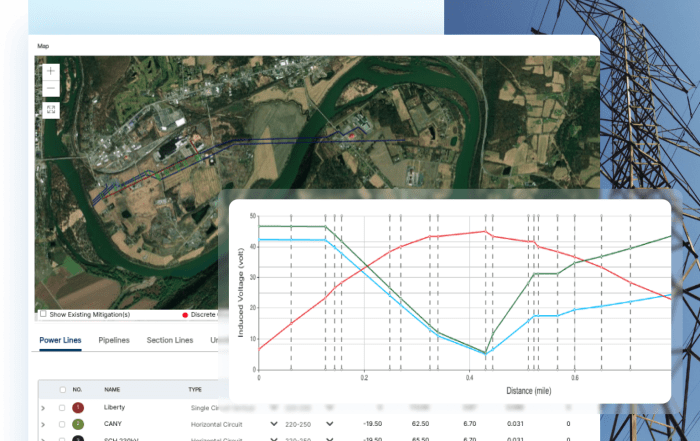
That’s where platforms like Technical Toolboxes’ AC Mitigation PowerTool (ACPT) come in, designed to help engineers model AC effects on buried pipelines, assess risk, and generate compliant reports. ACPT supports steady-state and fault current modeling, integrates with GIS data, and helps eliminate the guesswork from AC mitigation on buried pipelines.
Want to see it in action?
Watch My Previously Recorded Webinar
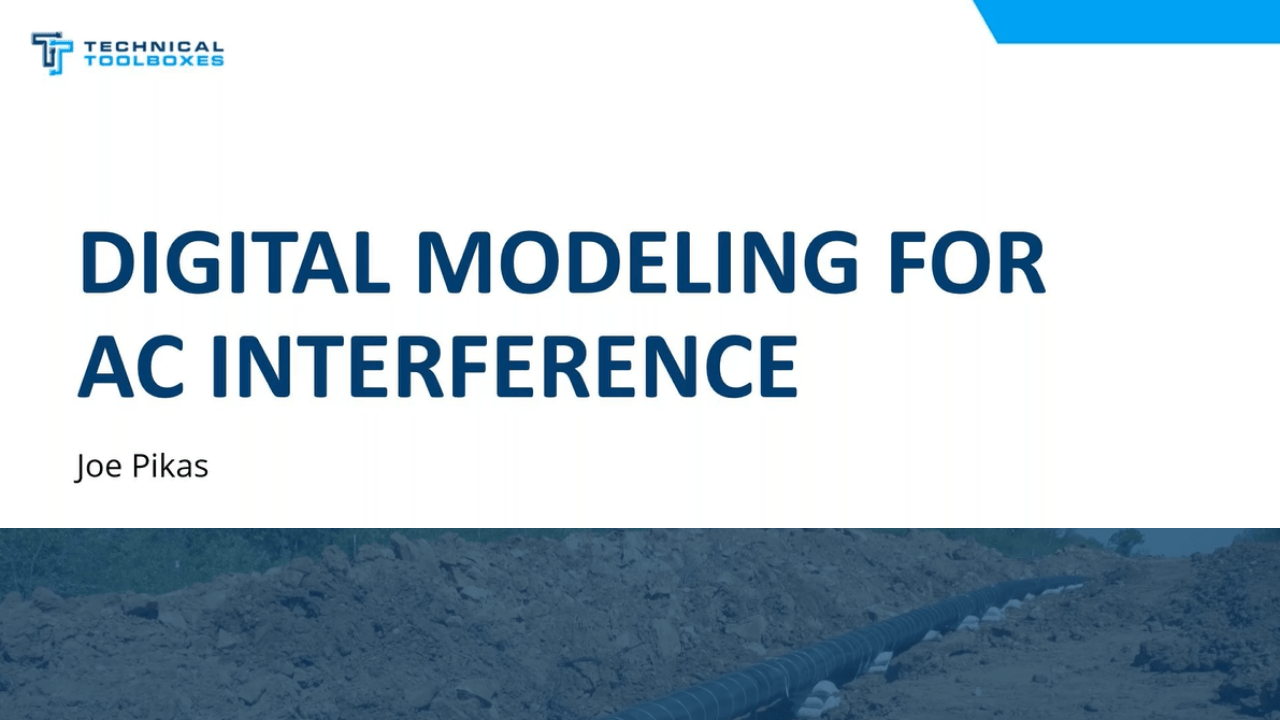
“Digital Modeling for AC Interference”
In this recorded webinar, I break down the increasing complexity of AC interference, its effects on buried pipelines and how pipeline operators can use digital modeling and the AC Mitigation PowerTool to:
- Accurately assess induced AC current
- Identify safety risks and corrosion threats
- Model steady-state and fault scenarios
- Design and validate mitigation strategies in hours, not days
- Generate PHMSA- and NACE-compliant reports with just a few clicks
Final Thoughts
AC interference isn’t going away and in fact, increasing due to the AC Power demand and ignoring it won’t make it any less dangerous. But with the right knowledge and digital tools, you can reduce risk, meet compliance demands, and protect both people and infrastructure.
Need to demonstrate AMPP conformance on your next pipeline segment?
The AC Mitigation PowerTool generates the analysis your integrity management program needs. Request a demo.


Suggested Post
AC Interference on Pipelines: What It Is, Why It’s Getting Worse, and How to Fix It
By: Joe Pikas You’re reviewing CP/AC survey data on a pipeline segment that runs [...]

The Inspection Data Problem Is a Business Risk. Here’s What Operators Are Doing About It- with HUVR
The Inspection Data Problem Is a Business Risk. Here's What Operators Are Doing About [...]

Modern Gas System Modeling: Why Magnolia River Trusts GASWorkS to Keep the Pressure Up (Literally)
Modern Gas System Modeling: Why Magnolia River Trusts GASWorkS to Keep the Pressure Up [...]


Suggested Post
AC Interference on Pipelines: What It Is, Why It’s Getting Worse, and How to Fix It
By: Joe Pikas You’re reviewing CP/AC survey data on a pipeline segment that runs [...]
The Inspection Data Problem Is a Business Risk. Here’s What Operators Are Doing About It- with HUVR
The Inspection Data Problem Is a Business Risk. Here's What Operators Are Doing About [...]

Modern Gas System Modeling: Why Magnolia River Trusts GASWorkS to Keep the Pressure Up (Literally)
Modern Gas System Modeling: Why Magnolia River Trusts GASWorkS to Keep the Pressure Up [...]